
By Chuck Gallagher — Business Ethics Keynote Speaker and Trainer
TL;DR: Chuck Gallagher, business ethics keynote speaker, breaks down how alarmingly easy check-washing fraud has become — and the simple signals every person should be watching for — because in a system built for speed, you are the last line of defense.
A California couple opened an envelope from the IRS and learned they owed $12,000, plus interest and penalties. They knew they had paid. The check had cleared. So they pulled up the scanned image of that cleared check, and there it was. Someone had erased “Internal Revenue Service” from the pay-to line and written in a stranger’s name. The money was gone.
Here is what ought to stop you cold. That couple did nothing wrong. They wrote a check, put a stamp on it, and mailed it the way Americans have for a hundred years. It still cost them thousands. If it can happen to them, it can happen to you. That is not fear talking. That is just where we are.
How Does a Check Get “Washed” in the First Place?
It is about as low-tech as crime gets. A thief lifts mail from a home box or a blue collection box, soaks the check in acetone or bleach, and the ink lifts right off the paper. The payee line goes blank. The dollar amount goes blank. Then the thief rewrites both, makes the check out to himself, and deposits it. No password was cracked. No server was breached. The federal numbers show how fast this is spreading. The Financial Crimes Enforcement Network reported that banks filed more than 350,000 suspicious activity reports tied to check fraud in 2021. In 2022, that figure topped 680,000 — nearly double in a single year.
Why Is It So Easy to Get Defrauded Today?
Start with the scale. In 2010, there were just over 2,200 high-volume mail theft attacks, Frank Albergo, president of the Postal Police Officers Association, told a House subcommittee last summer. By 2023, the number was over 49,000. He called it a 2,000 percent explosion. “This isn’t about lost birthday cards anymore,” he said. This is organized crime, and the FBI has gone so far as to warn Americans to stop mailing checks.
As a business ethics keynote speaker, I have spent years studying how fraud actually works, and I will tell you plainly that I have had to reckon with the mind of someone willing to take what is not theirs in my own life. So hear me on this. The person stealing from you is not counting on you being careless. He is counting on your trust. Your routine. The fact that you glance at your balance but never look at the actual check. Fraud does not need you to be foolish. It just needs you to stop looking.
What Should You Actually Be Watching For?
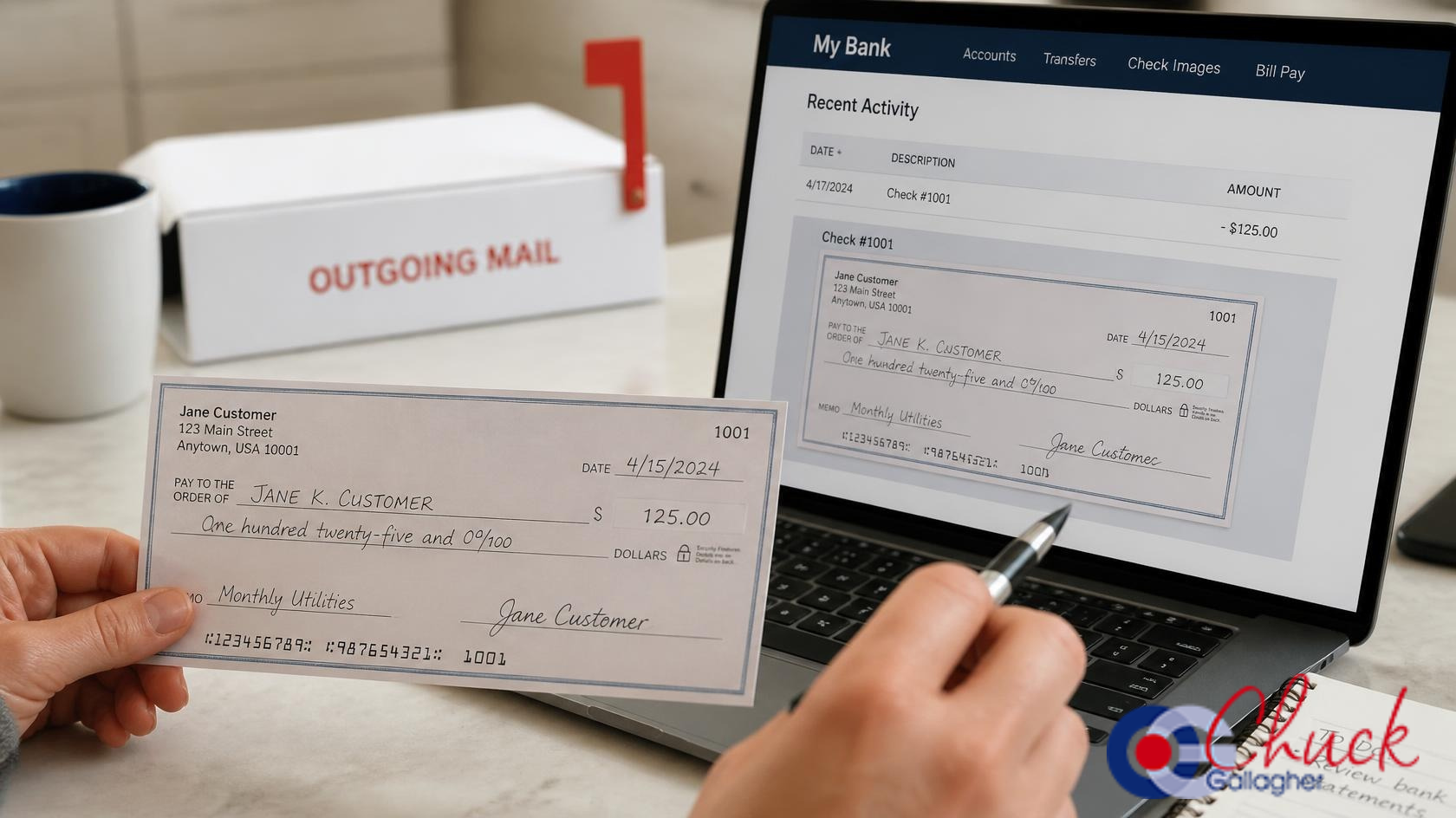
This is the part worth memorizing. Do not just check your bank balance online — pull up the digital image of every cleared check and read the payee name with your own eyes. If a check you wrote is taking longer than usual to clear, or if money goes missing, call your bank that same day. Watch for a check that cleared for an odd amount, or to a name you do not recognize. Those are the tells, and almost nobody bothers to look for them.
Then make it harder on the thief. Write checks in permanent black gel ink, because standard ballpoint washes off and gel ink locks into the paper fibers. Do not leave blank gaps on the payee or amount lines where someone can squeeze in extra words. Drop outgoing mail inside the post office, not in your home box with the red flag up, waving like an invitation. And when you can, pay another way altogether. You are the last line of defense here, because the system is built so that you have to be.
When Is “Technically Legal” Not the Same as Right?
Go back to that California couple. When they finally caught the fraud, they called their bank, Chase, and were told they had missed the deadline to report it — the check had been stolen and deposited a year earlier. As reported, that refusal was technically legal. The deadlines come from your bank’s deposit agreement and the Uniform Commercial Code, and if you miss the window, the loss usually lands on you. Technically, the bank was in the clear. Technically. That word does a lot of hiding.
Then a personal finance columnist asked about the case. Chase reinvestigated, traced the fraudulent account, found about $11,000 still sitting in it, and returned nearly all of the couple’s money. I am glad they made it right. But doing right only when a reporter calls is not quite the same as doing right. As a business ethics keynote speaker, I have watched plenty of organizations confuse “legal” with “right” and call it policy — and that same blind trust in “the process” is exactly what fraud feeds on, in your mailbox and in your boardroom.
So here is where it lands. Every choice has a consequence, and that includes the choice to pay attention. The check you drop in the box tonight is a choice. So is pulling up that cleared-check image tomorrow morning. Make both of them on purpose.
Frequently Asked Questions
What is check washing?
Check washing is a low-tech fraud in which a thief steals a mailed check and uses household chemicals like acetone or bleach to erase the original payee and dollar amount. The criminal then rewrites the check to himself and deposits it. Because the underlying check is real, it often clears before the victim notices anything is wrong.
How common is check fraud right now?
It has surged. The Financial Crimes Enforcement Network logged more than 350,000 suspicious activity reports tied to check fraud in 2021 and over 680,000 in 2022. The mail theft driving the trend climbed from roughly 2,200 high-volume attacks in 2010 to more than 49,000 in 2023.
What are the warning signs that my check was altered?
Watch for a check that is taking longer than usual to clear, funds missing from your account, or a payee name you do not recognize when you pull up the digital image of the cleared check. Do not rely on your balance alone — look at the actual check image. If anything seems off, contact your bank that same day.
If a washed check clears, does my bank have to refund me?
Not always. Deadlines set by your bank’s deposit agreement and the Uniform Commercial Code govern these disputes, and if you miss the reporting window the loss often falls on you. As business ethics keynote speaker Chuck Gallagher notes, a bank can be technically within its rights and still owe its customers more than the legal minimum.
How can I protect myself if I still write checks?
Use permanent black gel ink, which locks into the paper instead of washing off like ballpoint ink. Do not leave blank space on the payee or amount lines, drop outgoing mail inside the post office rather than an unattended home box, and review the digital images of your cleared checks for an altered payee name.
Call to Action
The hard truth is that fraud today does not require you to be foolish. It only requires you to stop paying attention. The systems we rely on are built for speed, which means the watching falls to you — at your kitchen table, and inside your organization, where that same blind trust in “the process” is exactly what a dishonest person is counting on. That is the conversation I bring to audiences and boardrooms: how ordinary people and good companies get taken, and how plain awareness becomes the cheapest insurance you will ever buy. To bring Chuck Gallagher to your next event or leadership session, start at ChuckGallagher.com.
Five Questions for Reflection
- Where have you been trusting “the process” so completely that you have stopped checking for yourself?
- The victims did everything right and still got hit. What does that tell you about depending on the system to protect you?
- Fraud counts on routine and trust. Which of your daily habits could a dishonest person exploit because you are not watching?
- “Technically legal” let a bank off the hook at first. Where does your own organization hide behind that same phrase?
- Awareness is a choice you make before the consequence arrives. What will you start watching more closely this week?
